
The allure of risk-taking
Risk-taking evokes a profound psychological response in individuals, often linked to excitement, adventure, and the allure of substantial rewards. Casinos have expertly harnessed this innate human desire to explore the unknown and engage in risky behavior. The prospect of winning large sums creates an intoxicating thrill, amplifying the overall experience of a visit to these vibrant establishments where one can discover the best online casino nz options available, adding to the excitement of the environment. This thrill is heightened by the casino atmosphere, filled with dazzling lights, captivating sounds, and the palpable tension that arises from uncertainty and anticipation.
The phenomenon of risk-taking is intricately tied to the brain’s reward system. When individuals gamble, dopamine—known as the «feel-good» neurotransmitter—is released, enhancing feelings of pleasure and satisfaction. This neurological response reinforces the behavior, prompting players to seek out more experiences that offer similar excitement. Whether it’s spinning the reels of a slot machine or placing bets on a game, the psychological implications of risk-taking act as a magnet, drawing people back to casinos and making them irresistible destinations for many.
Moreover, the social aspect of gambling significantly contributes to its appeal. Participating in risky activities with friends or strangers fosters a sense of camaraderie and shared experience. This social bonding is a vital element of human psychology, transforming an ordinary gambling session into a memorable event. The interplay of risk, reward, and social interaction creates a unique dynamic that keeps people returning to these venues, fueling both individual excitement and collective experiences that resonate deeply within the human psyche.
The psychology behind the thrill
Understanding the psychological mechanisms that drive the thrill of gambling illuminates essential aspects of human behavior. The concept of «near misses,» where players come close to hitting a jackpot, plays a vital role in maintaining engagement. These occurrences generate a mix of hope and frustration, igniting the desire to continue playing. Players often interpret near misses as signs that victory is within reach, leading them to miscalculate their odds and gamble even more, thus deepening their investment in the game.
The unpredictability of gambling is another cornerstone of the experience. The uncertainty of outcomes forces players to confront their own risk tolerance and enhances their decision-making skills. This unpredictability cultivates a sense of agency—players often feel their choices directly influence the game, even when odds may not favor them. This perception of control can become addictive, driving players to seek more gambling experiences despite the inherent risks involved, illustrating a complex relationship with chance and skill.
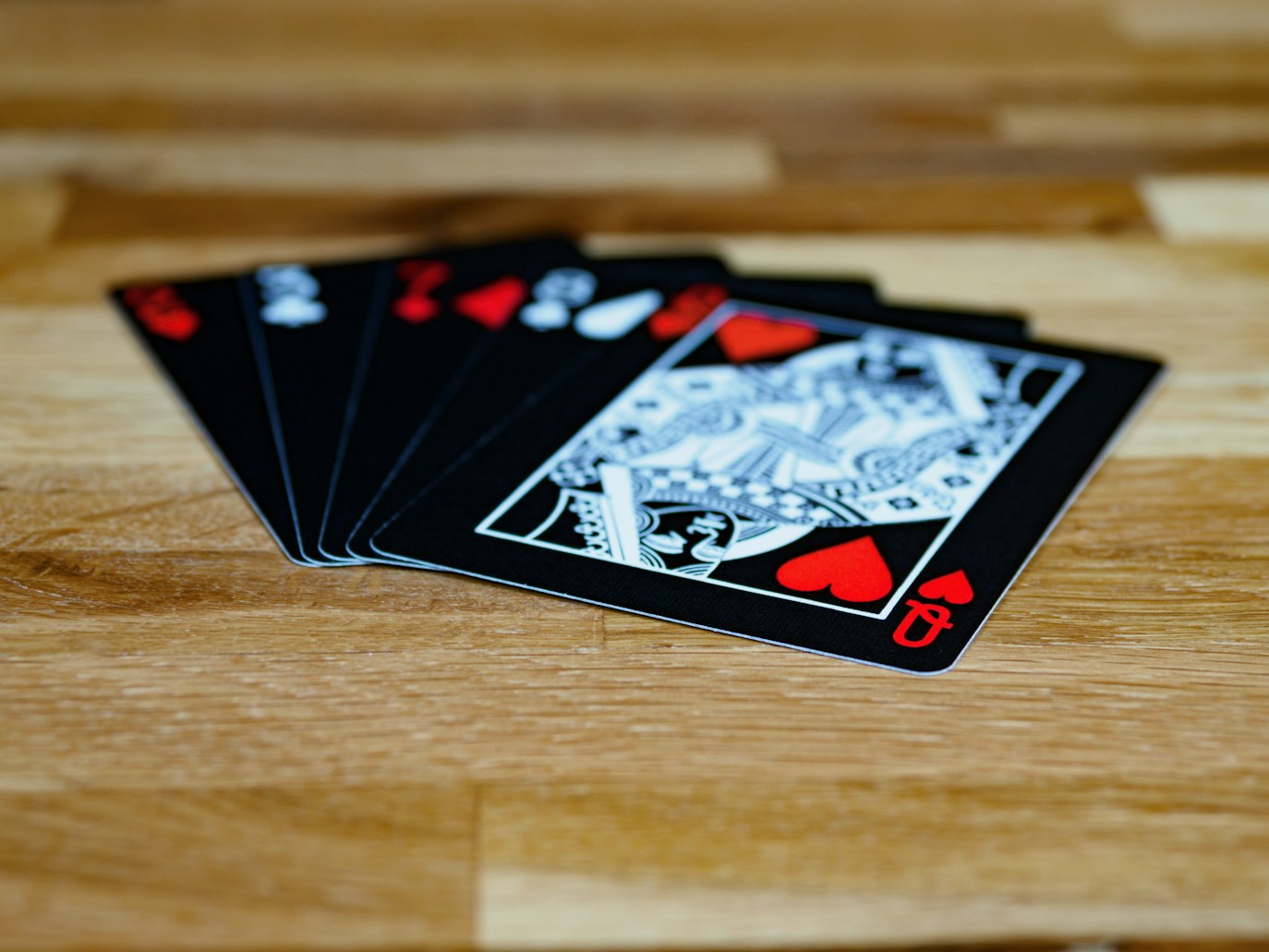
Casinos employ various psychological strategies to heighten the thrill associated with risk-taking. The layout of a casino, with its intricate designs and strategic placement of games, is purposely crafted to keep players engaged and somewhat disoriented. By creating an environment where the passage of time and money becomes less relevant, casinos encourage players to extend their gambling sessions, often leading them to take greater risks than they originally planned. These design tactics play a crucial role in shaping the gambling experience, ultimately driving the desire to return to such venues.
Emotional highs and lows
The emotional rollercoaster that accompanies gambling is another compelling aspect that draws people to casinos. The euphoria of winning generates a rush of adrenaline that many find difficult to resist, reinforcing the gambling habit as players chase that exhilarating feeling. Conversely, the lows following losses can lead to a complex psychological experience where individuals grapple with disappointment and frustration. This emotional dichotomy creates a compelling narrative that players often internalize.
Understanding how emotions influence gambling behavior provides insight into why many individuals willingly risk significant amounts of money. For some, the experience of losing becomes a stepping stone toward future success; they perceive losses as learning opportunities that will improve their odds of winning. This mindset can lead to a cyclical pattern of behavior, making it challenging to break free as individuals continuously seek the emotional highs associated with winning, often at the expense of rational judgment.
Moreover, emotional conditioning plays a significant role in how gamblers associate feelings with the act of gambling. Those who have experienced substantial wins may develop a strong emotional attachment to their games, leading to a pattern of return gambling. This emotional aspect is crucial for casinos, as they strive to create gaming experiences that resonate deeply with players, fostering loyalty and encouraging repeat visits. By tapping into the emotional landscape of their patrons, casinos effectively enhance their allure and ensure a steady stream of customers.
The role of environment and design
The physical design and environment of casinos are meticulously crafted to enhance the experience of risk-taking. Upon entering, visitors are enveloped in an atmosphere designed to tantalize the senses and encourage prolonged play. Elements such as music, lighting, and even specific scents are strategically utilized to create an immersive experience, distracting patrons from concerns about time and money. This sensory overload can amplify excitement and keep players engaged for extended periods, making it difficult to walk away.

Additionally, the layout of gaming areas significantly influences gamblers’ decision-making processes. Many casinos are designed without clear exits, creating a sense of entrapment that encourages players to remain within the gaming space. This architectural choice enhances the illusion of endless opportunities for winning, further enticing individuals to take risks. The placement of high-stakes games near popular social areas fosters an environment of prestige and excitement, drawing in curious players who may not have initially intended to gamble.
As casinos continue to evolve, they increasingly incorporate technology to enhance the gaming experience and appeal to younger demographics. Innovations such as virtual reality gaming are paving the way for novel forms of risk-taking and engagement. By integrating cutting-edge technology, casinos can create interactive experiences that mimic the thrill of traditional gambling while offering entirely new avenues for exploration. This adaptation is essential for maintaining relevance in a rapidly changing entertainment landscape, ensuring that casinos remain a primary destination for thrill-seekers.
Your gateway to understanding risk
If you are curious about the intricate world of risk-taking and its psychological foundations, various online platforms offer insights into this captivating subject. These resources provide valuable information on how casinos exploit human psychology to enhance gambling experiences. By understanding these aspects, individuals can empower themselves to make more informed decisions when engaging in such activities, promoting a healthier relationship with gambling.
Moreover, exploring the psychology of risk can lead to broader awareness of personal behavior and emotional responses. Recognizing the motivations behind risk-taking fosters healthier relationships with gambling and encourages moderation. This knowledge is instrumental in navigating the complex emotional landscapes associated with gambling, providing individuals with tools to manage their experiences more effectively and responsibly.
Ultimately, as you delve into the psychology of risk, you enhance your ability to appreciate the thrill that casinos offer while remaining mindful of the challenges that accompany it. By arming yourself with knowledge, you can enjoy the excitement of risk without succumbing to its potential pitfalls. Understanding the balance between enjoyment and caution ensures that your gambling experiences remain enjoyable and controlled, allowing you to savor the thrill without jeopardizing your well-being.